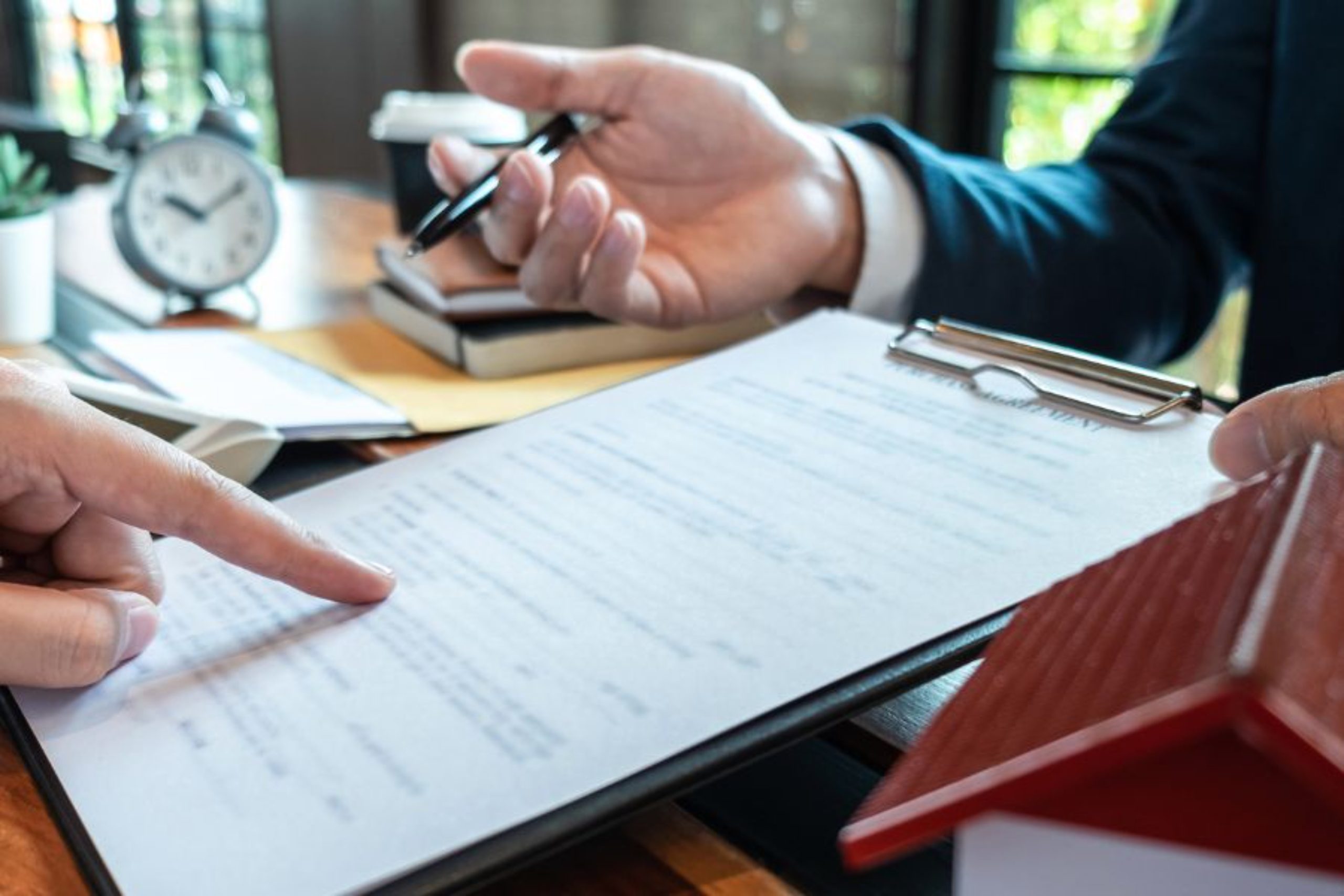

Selling a house in Queensland usually takes about 30 days from the signed contract to settlement, but the legal work starts well before a buyer appears. This guide walks through each step of a typical sale, from listing to settlement day, as we handle it at CJC Law.
Vanessa Anderson, Operations Manager at CJC Law, explains what sellers need ready, where sales fall over, and what a conveyancer does at each stage.
Step 1: Before Listing, Order Your Seller Disclosure Statement
Most sellers call us when they appoint an agent or when the property is about to go on the market. The first job is the seller disclosure statement (Form 2) and the certificates that go with it.
Since 1 August 2025, the buyer must receive the signed disclosure statement before they sign the contract. If it is missing, the buyer can end the contract at any time before settlement. The statement needs to be ready before the first offers come in.
At CJC Law, a Form 2 costs $700 including GST and searches for a house, or $900 for a unit or townhouse in a community titles scheme.
Also read: Seller Disclosure Statement QLD: What Buyers and Sellers Need to Know
What to Have Ready at the Start
- The signed seller disclosure statement and certificates, before any buyer signs.
- Compliant smoke alarms, or a compliance certificate. Since 1 January 2022, every home sold in Queensland must meet the current smoke alarm rules.
- A pool safety certificate if there is a regulated pool.
- Your ATO clearance certificate. Every seller needs one, whatever the price, or the buyer must withhold 15%. It is free but can take up to 28 days.
- Your identity documents for the AML and identity checks that started on 1 July 2026.
Your mortgage comes later. Once the contract is fully signed, contact your bank, tell them about the sale and arrange the discharge of mortgage.
Step 2: The Contract Is Signed
We can review the contract before you sign. On the day we receive the signed contract, we review it and contact you with your due dates and next steps. These usually include:
- the deposit due date
- the finance date
- the building and pest date
- the settlement date
We then send you the documents you need to complete.
Step 3: The Conditions Period
While the buyer arranges finance and inspections, we keep you updated whenever their side gives notice or asks for an extension. This is also where most sales stall.
Finance
If the buyer cannot get finance approval, the contract can be terminated. The buyer’s lawyer contacts us, we advise you, and we deal with the termination and the return of the deposit.
Building and pest
If the inspection report finds problems, the buyer may ask for a price reduction or repairs. “I’ve had building and pest price reductions anywhere from $200 to $60,000,” Vanessa says. If the seller will not agree to a reduction or repairs, or the buyer is simply unhappy with the report, the buyer may walk away.
We negotiate with the buyer’s lawyer for you and explain your options. If the contract terminates for any reason, CJC Law does not charge a fee.
Step 4: Unconditional and Booking Settlement
Once the contract is unconditional, we book settlement on PEXA, the electronic settlement platform, with the buyer’s side and your bank. We prepare the settlement adjustments for rates, water and any body corporate levies, and send you settlement figures, keeping you informed of any issues up to the day.
Step 5: The Pre-Settlement Inspection
Most contracts let the buyer inspect the property shortly before settlement. Some buyers try to use it to reopen issues they already raised.
In one of our sales, the building and pest report passed, but the buyer sent a long list of small repairs. The seller said no, and the buyer went ahead anyway. The contract went unconditional. Then, at the pre-settlement inspection, the buyer came back with the same long list, presented as things they had just found.
A pre-settlement inspection is a check that the property is in the same condition as when the contract was signed. It is not a second building and pest negotiation. Your conveyancer needs to spot when an old issue is being dressed up as a new one, and respond firmly.
Step 6: Settlement Day
On settlement day, the buyer’s funds, your bank’s discharge and the transfer all go through PEXA together. We contact you with your final figures and tell you when settlement is complete.
Typical Timeline at a Glance
| Stage | When |
|---|---|
| Form 2 disclosure statement prepared | When you appoint the agent or before listing |
| Contract signed and reviewed | Day 0 |
| Finance and building and pest conditions | As set in the contract, often in the first two to three weeks |
| Unconditional, settlement booked | Once all conditions are satisfied |
| Pre-settlement inspection | In the days before settlement |
| Settlement | Typically about 30 days after signing |
How CJC Law Can Help
We act for sellers across Queensland on a fixed fee of $1,200 including GST for the conveyancing, with no move, no fee. See our conveyancing for sellers or contact us to get your Form 2 started.